

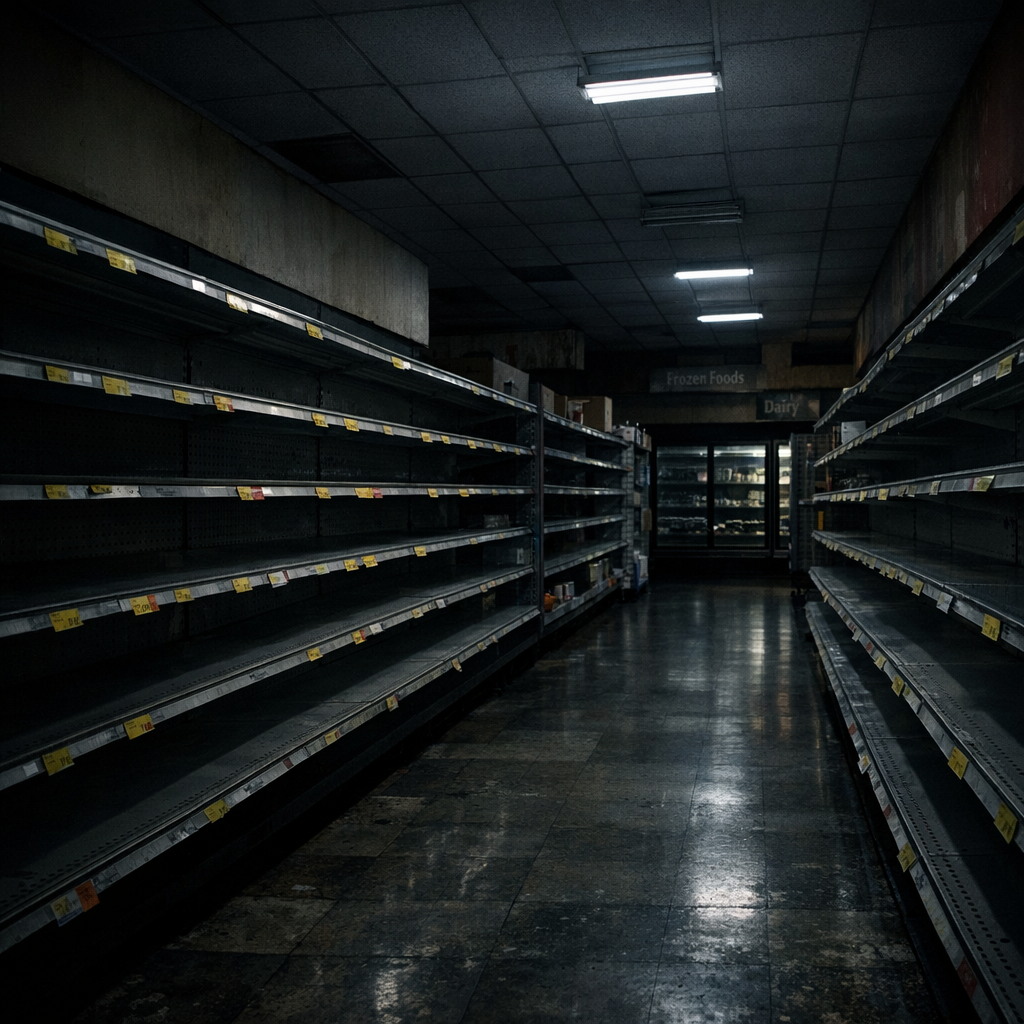
Residents of Parachute and Battlement Mesa awoke this month to locked doors and empty shelves: Clark’s Market, the area’s only grocery store for nearly two decades, permanently closed its doors on September 11, 2026. The loss has created a food access crisis for around 7,000 people who now face long drives, reduced choice, and higher costs to get essentials.
Immediate Impact on Residents
For many in the community, Clark’s wasn’t just a store—it was the place to pick up infant formula under the WIC program, refill prescriptions, or grab fresh produce without crossing over into Rifle, at least a 25-minute drive away. Seniors, families without cars, and those with tight budgets now face real hardship.
Underlying Challenges
The closure highlights longstanding issues in rural retail: challenging supply chains, thin profit margins, and difficulty staffing local businesses. Small towns often struggle to support full-service grocers when distributors bypass them and labor is scarce. Clark’s owners cited these pressures when they said they could no longer sustain operations.
Solutions Being Explored
Local leaders are already mobilizing. Short-term efforts include promoting grocery delivery services and expanding use of the Parachute Area Transport System’s weekday bus service to Rifle, to ease access. Longer-term strategies are also taking shape: identifying promising locations for a new store, investigating tax incentives to attract grocery business investors, and exploring cooperative models.
Why This Matters for Equity
Grocery store closures like Clark’s can deepen disparities. Without nearby options, the cost of fresh food rises—not just in price, but in time and travel. Public transportation limitations, vehicle costs, and mobility barriers disproportionately affect low-income families and older adults. Communities without viable food sources are more likely to face nutritional gaps, health risks, and increased financial strain.
What’s Next
Restoring grocery access in Parachute–Battlement Mesa will likely take months or even years of planning and outreach. Some possible paths include:
- Recruiting new grocers through targeted incentives.
- Exploring smaller-format or cooperative models that require lower capital and fewer staff.
- Expanding transportation links to nearby stores in Rifle and enhancing delivery infrastructure.
- Engaging residents to understand what they’d be willing to travel for or pay, and what food options they prioritize.
For now, residents are adapting. They lean on community resources, ask neighbors for rides, and make fewer but larger grocery outings. The loss of Clark’s Market isn’t just the end of a business—it’s a test of how Parachute handles food justice, public health, and support systems in a time of growing rural strain.
— Olivia Garcia