

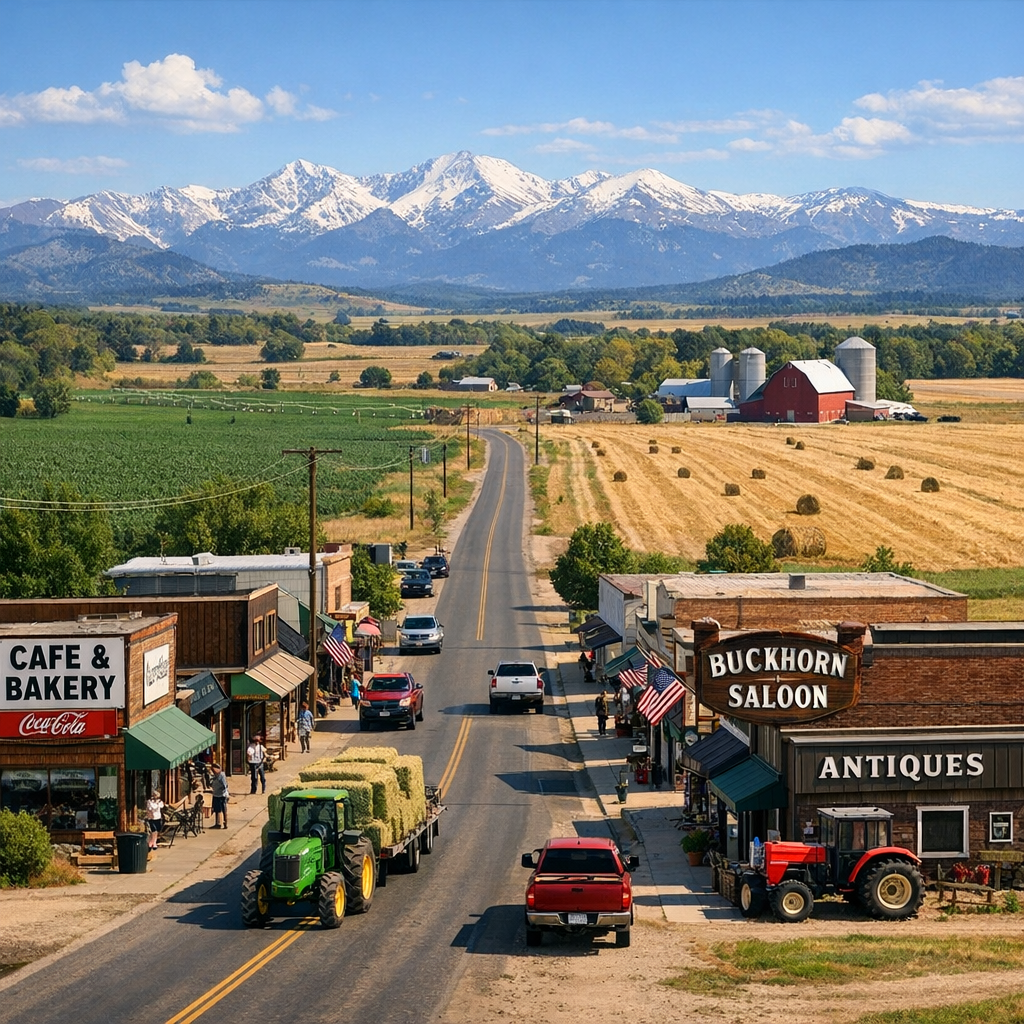
Federal policies significantly influence the economic and social fabric of rural communities across the United States, including those in Colorado. Understanding these impacts is crucial for residents and policymakers alike.
Economic Challenges and Opportunities
Rural Colorado’s economy heavily relies on small businesses and agriculture. Federal trade policies, such as tariffs, have increased costs for essential goods, affecting both consumers and businesses. For instance, tariffs on steel and aluminum have raised construction costs, impacting housing affordability in rural areas. Additionally, cuts to federal programs like the Supplemental Nutrition Assistance Program (SNAP) have reduced spending power among residents, further straining local economies.
Healthcare Access and Funding
Healthcare services in rural Colorado face unique challenges. Federal budget cuts have led to reduced funding for rural hospitals, many of which operate on thin margins. This reduction threatens the availability of essential healthcare services. Moreover, changes to Medicaid at the federal level have increased the number of uninsured individuals, placing additional pressure on local healthcare providers.
Infrastructure and Environmental Concerns
Infrastructure development in rural areas often depends on federal funding. Recent cuts to water infrastructure projects have delayed essential upgrades, leading to concerns about water quality and public health. For example, reductions in federal support for the Arkansas Valley Conduit project have raised questions about the future of clean water access in southeastern Colorado.
Policy Responses and Community Resilience
In response to these challenges, state and local governments have implemented measures to support rural communities. Programs aimed at economic assistance, such as the Rural Economic Advancement of Colorado Towns (REACT) initiative, provide resources for job creation and retention. Additionally, investments in healthcare and housing aim to mitigate the adverse effects of federal policy changes.
Understanding the interplay between federal policies and local realities is essential for fostering resilient and thriving rural communities in Colorado.